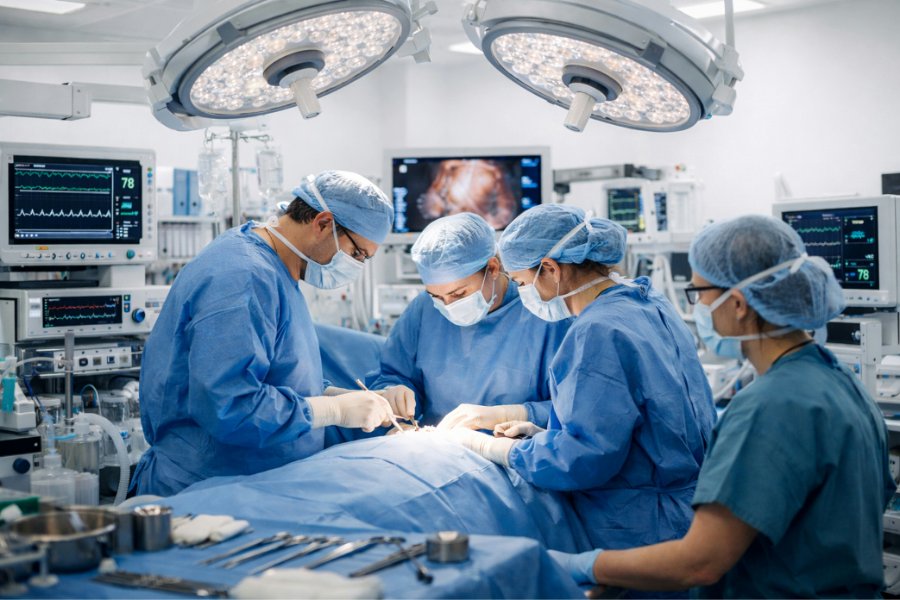
Healthcare continues to evolve as medical science introduces new ways to prevent, diagnose, and treat illnesses. Over the years, medical innovation has changed how healthcare professionals understand diseases and deliver patient care. Advances in technology, improved treatment methods, and better medical research have created new opportunities to improve health outcomes. These developments have also encouraged healthcare providers to rethink traditional practices and focus on more effective solutions. As patient needs become more complex, the healthcare industry must continue adapting to discoveries while maintaining a strong commitment to quality care.
How Medical Innovation Has Changed Healthcare
Medical innovation has transformed healthcare by introducing better diagnostic tools, advanced treatment options, and improved patient monitoring systems. In the past, healthcare professionals often depended on limited testing methods and traditional medical practices to identify health problems. Today, modern imaging technology, laboratory testing, and digital health tools provide more detailed information. These improvements help medical teams recognize health concerns earlier and make more informed treatment decisions.
Years of medical research have also expanded the understanding of different diseases and their causes. Researchers continue studying how conditions develop, how patients respond to treatment, and which approaches produce better results. This knowledge allows healthcare professionals to improve clinical practices and provide more reliable medical services. As innovation continues, patients can benefit from treatment options that are safer, more effective, and better suited to their needs.
The Growing Importance of Early Diagnosis
Early diagnosis plays an important role in improving patient outcomes. Identifying a health condition before it becomes severe can give patients more treatment opportunities and reduce the risk of complications. Modern screening methods, advanced imaging systems, and improved laboratory technology help healthcare providers detect potential problems sooner. These tools support timely medical decisions and allow professionals to create treatment plans based on accurate health information.
Medical innovation has also improved how healthcare teams monitor changes in a patient’s condition. Regular health assessments and advanced diagnostic equipment can reveal warning signs that might otherwise go unnoticed. When doctors recognize these changes early, they can recommend appropriate care and adjust treatment when necessary. A stronger focus on preventive healthcare can also help patients understand their health risks and take practical steps toward better long-term wellness.
Personalized Treatment for Better Patient Outcomes
Modern healthcare increasingly recognizes that every patient has different medical needs. A treatment approach that works well for one person may not produce the same results for another. Medical research has helped professionals understand how age, medical history, lifestyle, and individual health conditions can influence treatment outcomes. This knowledge supports more personalized healthcare strategies that consider the patient’s circumstances rather than relying on a single standard approach.
Advances in medical testing and patient records also help doctors make more informed decisions. Healthcare professionals can review relevant health information, evaluate available treatment options, and discuss suitable choices with patients. Personalized treatment can improve patient confidence and encourage stronger participation in healthcare decisions. By combining medical expertise with individual patient needs, healthcare providers can deliver more thoughtful and effective care.
Technology Is Reshaping Medical Practices
Technology has become an important part of modern medical services. Electronic health records help healthcare professionals access patient information, coordinate services, and maintain more organized medical histories. Telemedicine has also made healthcare consultations more accessible, particularly for people who live far from medical facilities or face transportation challenges. These developments help patients connect with healthcare providers while supporting more flexible medical services.
Artificial intelligence and advanced medical equipment are creating additional opportunities to improve healthcare delivery. These technologies can help professionals review medical information, identify patterns, and support diagnostic decisions. However, technology should complement medical knowledge rather than replace professional judgment. Healthcare providers must evaluate digital tools carefully, protect patient information, and ensure that technological improvements contribute to safe and reliable treatment.
Medical Research Supports Continuous Improvement
Medical research remains essential to the development of better healthcare practices. Clinical studies, scientific investigations, and long-term patient observations help researchers understand which treatments are effective and where improvements are needed. These findings allow medical professionals to update existing practices and consider new approaches to patient care. Continued research also supports the development of improved medicines, medical devices, and preventive strategies.
Collaboration between researchers, doctors, hospitals, and healthcare organizations can strengthen these efforts. Sharing medical knowledge helps professionals learn from different experiences and apply successful approaches across healthcare settings. Ongoing education is equally important because medical knowledge changes as new evidence becomes available. Healthcare professionals who stay informed about current research can make better decisions and provide care that reflects modern medical standards.
Improving Access and Patient Experiences
Medical innovation should benefit people from different communities and economic backgrounds. Although advanced treatments and modern facilities have improved healthcare in many areas, access remains a challenge for some patients. Limited medical resources, high treatment costs, and shortages of trained professionals can prevent people from receiving timely care. Addressing these barriers requires practical healthcare planning, stronger medical infrastructure, and better access to essential services.
Patient experience is another important part of healthcare improvement. Clear communication, respectful treatment, and convenient medical services can help patients feel more comfortable throughout their healthcare journey. Professionals should explain diagnoses, discuss treatment options, and encourage patients to ask questions. When healthcare teams build trust and maintain open communication, patients are more likely to participate actively in their treatment and follow medical recommendations.
Building a Better Future Through Medical Progress
The future of healthcare will depend on how effectively medical professionals combine scientific discoveries with practical patient care. New diagnostic systems, improved medicines, and digital health solutions may create further opportunities to prevent illness and manage complex conditions. However, innovation must remain focused on patient safety, treatment quality, and responsible medical decisions. Healthcare organizations must also ensure that new technologies are useful, accessible, and supported by proper training.
Years of medical innovation have demonstrated that healthcare improvement requires continuous learning and adaptation. Every discovery creates opportunities to improve existing practices and address unmet patient needs. By investing in medical research, strengthening professional education, and improving healthcare access, the industry can build a more reliable system. A thoughtful approach to medical progress will help shape a future where patients receive more personalized attention, effective treatment, and better opportunities for long-term health.