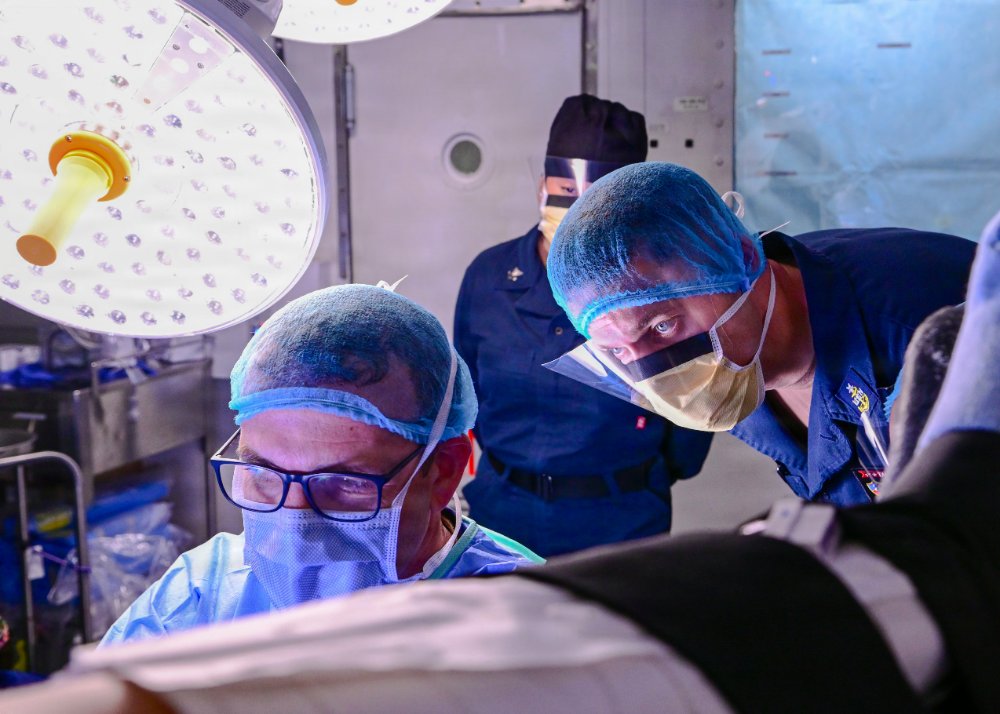
Medicine constantly evolves as discoveries, technologies, and treatment methods reshape patient care. Over the past twenty years, healthcare professionals have witnessed remarkable changes in how they diagnose illnesses, manage emergencies, and support recovery. However, the most valuable lessons often come from direct patient experiences rather than medical textbooks alone. Every clinical challenge offers an opportunity to improve judgment, strengthen compassion, and develop practical skills that benefit future patients.
Two decades of medical growth and discovery reveal how experience and innovation work together to improve healthcare outcomes. Medical professionals must continuously adapt to changing expectations, emerging health threats, and scientific advancements. Their journeys demonstrate that excellent care requires more than technical knowledge. It also depends on communication, teamwork, patience, and a commitment to lifelong learning.
Understanding the Value of Clinical Experience
Clinical experience plays an essential role in developing confident and capable healthcare professionals. During the early stages of a medical career, practitioners rely heavily on formal education and established treatment guidelines. However, repeated exposure to different patient conditions helps them recognize important patterns and respond more effectively. Over time, they develop stronger decision-making abilities while learning to balance medical knowledge with individual patient needs.
Experience also teaches lessons that cannot always be learned in classrooms. Healthcare professionals encounter unexpected complications, emotional conversations, and difficult treatment decisions. These situations encourage reflection and professional growth. Furthermore, working with patients from different backgrounds strengthens adaptability and cultural awareness. After twenty years, many practitioners understand that successful healthcare depends on combining clinical expertise with empathy, careful observation, and respect for every patient.
How Medical Technology Has Transformed Patient Care
Medical technology has significantly changed healthcare delivery over the past two decades. Advanced imaging systems, electronic health records, and improved diagnostic equipment allow professionals to identify medical conditions more efficiently. Digital tools also support communication between healthcare teams and help maintain accurate patient information. As a result, clinicians can access important medical details more quickly and coordinate treatment across different departments.
However, technological progress introduces new responsibilities. Healthcare professionals must learn unfamiliar systems, protect sensitive patient information, and recognize the limitations of automated tools. Although technology improves efficiency, it cannot replace human judgment or compassionate communication. The most effective approach combines modern medical resources with experienced clinical decision-making. Therefore, healthcare organizations should prioritize practical training and responsible technology adoption to ensure innovations genuinely improve patient experiences and treatment quality.
Learning From Challenges in Emergency Medicine
Emergency medicine provides valuable lessons about preparation, adaptability, and quick decision-making. Healthcare professionals frequently encounter situations where patients need immediate attention and accurate assessments. These demanding environments require clear communication, organized teamwork, and the ability to remain focused under pressure. Over time, repeated exposure to emergencies helps clinicians develop practical strategies for managing uncertainty while maintaining patient safety.
Every emergency also highlights the importance of preparation. Regular training, updated clinical protocols, and realistic simulations help medical teams respond effectively when unexpected situations arise. Additionally, reviewing difficult cases allows professionals to identify opportunities for improvement. Rather than viewing challenges only as setbacks, experienced clinicians use them to strengthen future performance. This continuous learning process supports safer emergency care and builds confidence across healthcare teams.
The Growing Importance of Patient-Centered Healthcare
Patient-centered healthcare has become increasingly important as medical professionals recognize the value of individual preferences and personal circumstances. Effective treatment involves understanding more than symptoms or laboratory results. Patients may face financial limitations, emotional stress, family responsibilities, or difficulty accessing medical services. Recognizing these factors helps clinicians develop realistic care plans that support both physical health and personal well-being.
Strong communication remains central to this approach. Healthcare professionals who listen carefully can better understand patient concerns and explain available treatment options. Furthermore, encouraging patients to participate in decisions promotes trust and shared responsibility. Over two decades, clinical experience often reinforces a simple lesson: people respond better to healthcare environments where they feel respected, informed, and supported. Compassionate interactions can make difficult medical experiences more manageable for patients and their families.
Strengthening Healthcare Through Collaboration and Teamwork
Modern healthcare depends on cooperation among professionals with different areas of expertise. Physicians, nurses, pharmacists, therapists, and support staff contribute important perspectives to patient treatment. When these individuals communicate effectively, they can identify potential problems earlier and coordinate appropriate responses. Collaborative environments also encourage knowledge sharing, which helps healthcare professionals improve their skills and understand complex medical situations.
Twenty years of clinical practice can demonstrate how teamwork influences both patient safety and workplace performance. Miscommunication may cause delays, confusion, or unnecessary complications. Therefore, successful healthcare teams establish clear responsibilities, encourage respectful discussions, and maintain reliable communication systems. Experienced professionals also recognize the importance of mentoring newer colleagues. By sharing practical lessons and supporting professional development, they help create stronger healthcare organizations prepared for future challenges.
Adapting to Medical Discoveries and Changing Standards
Medical knowledge continues to expand as researchers investigate diseases, treatments, and preventive healthcare strategies. Over the past twenty years, advances in genetics, minimally invasive procedures, and targeted therapies have created new possibilities for patient care. Meanwhile, improved research methods have helped professionals evaluate treatment effectiveness and recognize potential risks. These developments demonstrate why medical practice must evolve alongside reliable scientific evidence.
Adapting to discoveries requires curiosity and professional discipline. Healthcare professionals must review updated guidelines, participate in continuing education, and question outdated assumptions when stronger evidence becomes available. However, not every innovation delivers immediate benefits for every patient. Experienced clinicians carefully consider safety, effectiveness, accessibility, and individual circumstances before changing treatment approaches. This balanced perspective helps healthcare organizations embrace progress while maintaining consistent standards of responsible medical care.
Building a Better Future Through Continuous Medical Growth
The lessons gained from two decades of medical practice offer valuable guidance for the next generation of healthcare professionals. Clinical experience encourages thoughtful decision-making, while scientific discoveries create opportunities to improve diagnosis, treatment, and prevention. Together, these elements support healthcare systems that respond more effectively to changing patient needs. However, continued progress requires investment in education, professional development, and supportive working environments.
Looking ahead, medical growth will depend on combining innovation with the human qualities that define excellent care. Healthcare professionals must remain adaptable, communicate openly, and approach every patient with compassion. They should also share knowledge, welcome constructive feedback, and recognize opportunities to improve existing practices. Ultimately, twenty years on the medical frontlines demonstrate that meaningful progress comes from continuous learning, responsible innovation, and an unwavering commitment to improving patients’ lives.