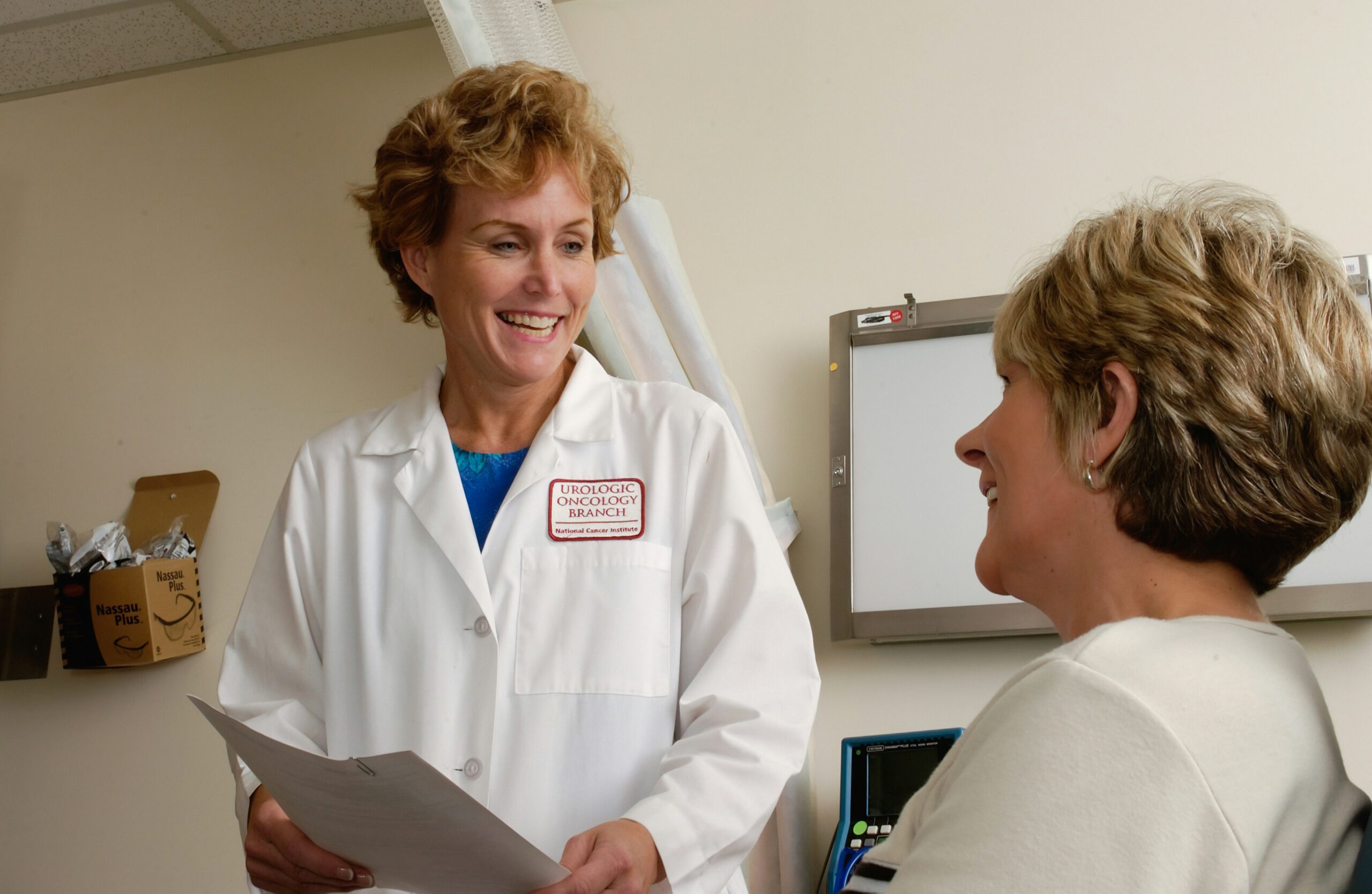
The past twenty years have brought remarkable changes to medicine and patient care. Treatments that once seemed impossible are now available to millions, while technology has made diagnosis faster and healthcare more connected. From digital health records to remote appointments, medical care has become more efficient and accessible in many parts of the world.
However, the biggest lesson from two decades in medicine is that healthcare is about more than technology and medical procedures. Patients need knowledgeable professionals, clear communication, emotional support, and care that respects their individual needs. Medical progress is most valuable when it improves both health outcomes and the patient experience.
Patients Have Become Active Partners
One of the most important changes in healthcare has been patients’ growing role in medical decisions. People have access to more health information than ever before. They can research symptoms, learn about treatment options, and communicate with healthcare providers through digital platforms.
This change has encouraged doctors and other medical professionals to move toward shared decision-making. Instead of simply telling patients what to do, providers increasingly explain available options and consider the patient’s preferences, concerns, and lifestyle. This approach can strengthen trust and help patients feel more confident about their healthcare choices.
Good communication remains central to this relationship. Medical information can be difficult to understand, so healthcare professionals must explain complex conditions in clear and simple language.
Technology Is Reshaping Patient Care
Technology has become a major part of modern healthcare. Electronic health records allow medical teams to access important patient information more efficiently. Telehealth has let many patients speak with healthcare providers without traveling to a medical office. Remote monitoring tools can also help clinicians follow certain health conditions outside traditional clinical settings.
Artificial intelligence is creating another major shift. AI can help analyze medical images, identify patterns in large datasets, and support some clinical decisions. These tools may help healthcare professionals save time and recognize potential problems earlier.
Still, technology has limitations. Medical decisions require context, experience, and human understanding. Data cannot always capture a patient’s emotional state, family situation, personal goals, and concerns. Technology should therefore enhance the relationship between patients and healthcare professionals rather than remove the human element.
Prevention Is Becoming More Important
Another major lesson from the last two decades is the importance of preventing illness. Modern healthcare increasingly focuses on identifying health risks before they develop into serious conditions. Screenings, vaccinations, regular checkups, healthy eating, exercise, and early intervention can all support better long-term health.
Prevention also requires education. Patients need practical advice that fits their daily lives. A healthcare professional who explains why a certain lifestyle change matters can help a patient make lasting improvements.
Preventive care can also reduce pressure on healthcare systems by addressing problems earlier. When patients receive appropriate care before a condition becomes severe, they may avoid more complicated treatments later.
Compassion Remains Essential
Medical science may continue to advance, but compassion will always be an important part of patient care. Being diagnosed with an illness can create fear, confusion, and uncertainty. Patients often need reassurance and understanding as much as they need medical treatment.
Healthcare professionals have also learned that listening is a powerful part of good care. Taking time to hear a patient’s concerns can reveal information that may otherwise be missed. Respectful communication can improve the relationship between patients and providers and create a stronger foundation for treatment.
At the same time, healthcare workers need support. Long hours, heavy workloads, administrative responsibilities, and emotional pressure can contribute to burnout. Supporting medical professionals is essential because healthier and more engaged healthcare workers are better positioned to provide attentive patient care.
Building a Smarter Healthcare Future
The future of patient care will likely combine technology, personalized treatment, and preventive medicine more effectively. Advances in genetics, digital monitoring, data analysis, and medical research may make treatments more specific to individual patients.
Personalized healthcare could help providers choose treatments based on a person’s unique biological characteristics and health history. Digital tools may also help patients monitor their health and communicate more easily with providers.
Yet future innovation must remain focused on patient needs. Privacy, data security, affordability, and equal access will become increasingly important as healthcare becomes more digital. New technology should not create additional barriers for people who already struggle to receive medical care.
Carrying the Lessons Forward
Two decades of medical progress have demonstrated that successful healthcare requires a balance between innovation and human connection. Technology can improve diagnosis, communication, and treatment, but compassion, trust, and careful listening remain fundamental.
The future of medicine offers exciting possibilities, but its success should ultimately be measured by how well it serves patients. Healthcare that combines scientific progress with personalized attention can create better experiences and healthier outcomes. The lessons learned over the past twenty years provide a strong foundation for building a healthcare system that is more connected, preventive, accessible, and centered on the people it serves.