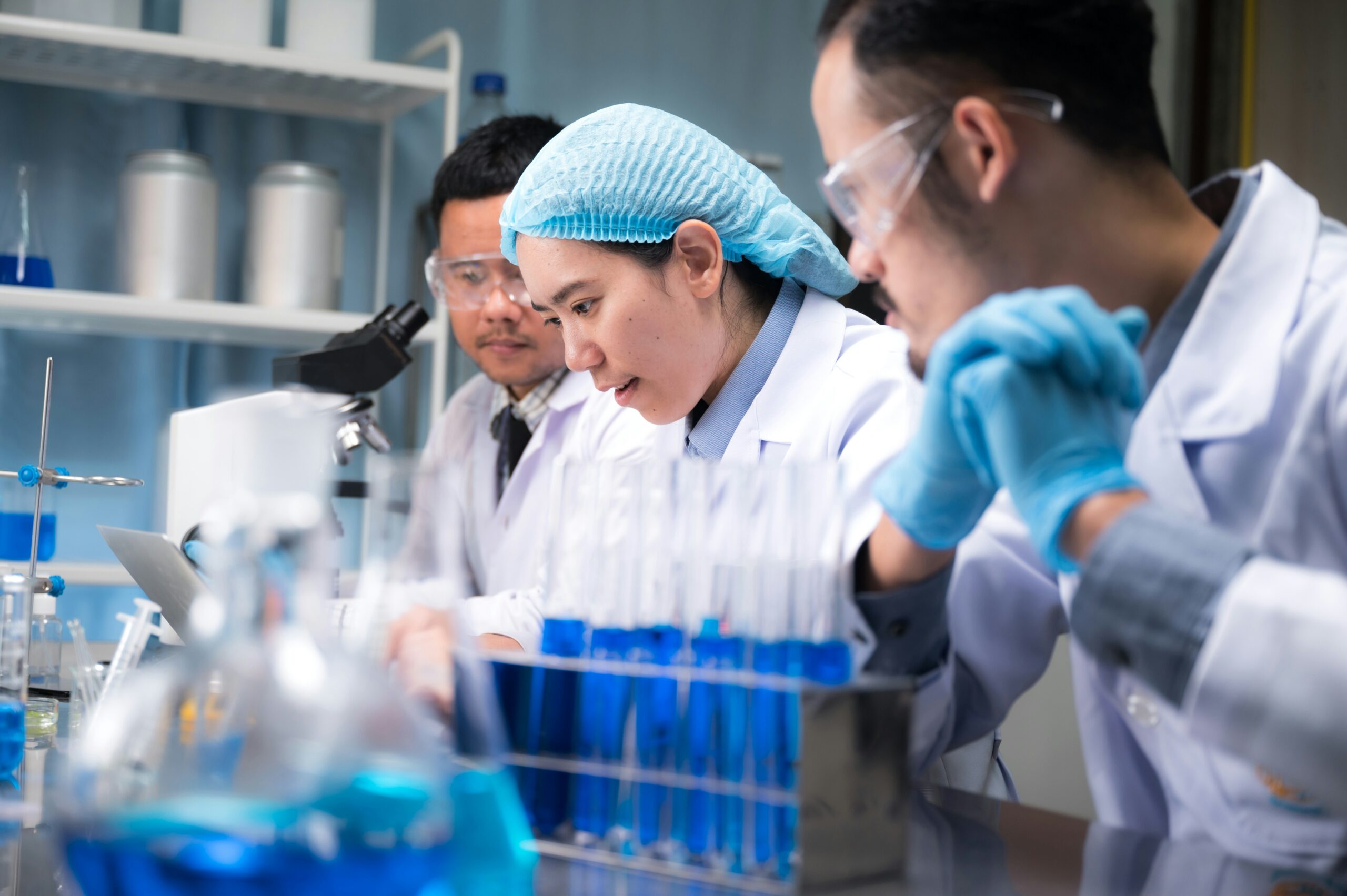
Strong teams are the driving force behind any successful scientific study. When people work together with clarity, trust, and steady motivation, they create an environment where complex projects move forward with confidence and purpose. In today’s research landscape, collaboration also depends on technological innovation that enables seamless data sharing, real-time communication, and more precise analysis across multiple sites.
Because modern studies require accuracy, innovation, and ethical care, groups that communicate effectively and remain aligned around shared goals make every phase more efficient, adaptable, and reliable. By combining human expertise with healthcare technology, research teams strengthen performance, reduce errors, and deliver findings that advance medical knowledge with integrity and long-term impact.
Creating a Purpose-Driven Culture That Supports Research Excellence
A unified purpose helps every contributor understand the importance of their work. When people see how their efforts support progress in human health, they stay engaged even during demanding tasks. This sense of connection brings meaning to routine duties and encourages everyone to maintain high standards across the entire study cycle. As a result, teams remain focused and can navigate challenges more easily.
Purpose also strengthens collaboration by providing a common thread that ties roles together. With clear values guiding decisions, individuals communicate with more intention and greater respect. This approach reduces confusion, builds trust, and maintains momentum. When groups feel grounded in a shared mission, they produce stronger outcomes and respond to shifting needs with confidence.
Strengthening Leadership to Guide High-Performing Teams
Leadership plays a central role in shaping how teams function. Clear direction helps people understand priorities, responsibilities, and expectations. When leaders offer steady guidance, teams make decisions faster and complete tasks with more accuracy. Strong leaders also encourage open communication, which allows concerns to surface before they slow progress.
Leadership is equally important for long-term development. When supervisors support growth, people gain the skills needed to handle evolving study demands. Encouragement and constructive feedback help individuals build confidence and improve performance. As leadership builds a culture of learning, the entire team becomes more capable and better equipped to deliver world-class results.
Building Communication Systems That Improve Team Performance
Reliable communication helps teams stay aligned as projects move forward. When information flows smoothly, everyone understands timelines, updates, and important details. This clarity reduces mistakes and increases efficiency. Because studies can shift quickly, timely messages ensure that decisions stay informed and accurate.
Strong communication also encourages transparency. When team members feel comfortable speaking up, they share insights that may uncover better solutions. This openness improves teamwork and supports safe, high-quality outcomes. Over time, communication systems become the backbone of consistent, coordinated progress.
Supporting Skill Development to Advance Study Quality
Continuous learning is essential in a field that evolves rapidly. Training programs enable staff to refine their techniques, adapt to modern tools, and stay up to date with best practices. As skills expand, the group becomes more prepared to manage complex tasks with precision and confidence. This growth creates a workforce capable of delivering results that meet the highest standards.
Learning also builds stronger connections across roles. When people share new knowledge, they better understand one another’s responsibilities. This awareness leads to better collaboration and smoother coordination. Teams that embrace ongoing education become more adaptable and more effective at solving problems in real time.
Creating Workflows That Improve Efficiency and Accuracy
Well-structured workflows help teams handle heavy workloads while staying organized. Clear processes reduce uncertainty and guide individuals through each step of a project. When tasks follow a consistent pattern, people work faster and with fewer errors. This order strengthens both productivity and morale.
Streamlined workflows also give staff more time to focus on thoughtful analysis and meaningful tasks. When routine duties remain efficient, creativity has more space to grow. Teams can refine methods, improve tools, and enhance overall study quality. Structured systems, therefore, support both immediate progress and long-term innovation.
Promoting Well-Being to Sustain High Performance
Healthy teams perform better and remain more resilient. When organizations support balance and respect personal needs, people feel motivated and appreciated. This sense of stability reduces burnout and helps individuals stay focused even during demanding phases. A supportive environment fuels energy, clarity, and consistent performance.
Well-being also strengthens teamwork. When people feel valued, they communicate more openly and build stronger relationships. This trust encourages collaboration and helps the group maintain a positive, productive atmosphere. Over time, well-being becomes an essential part of sustaining world-class results.
Encouraging Collaboration Across Diverse Roles
Collaboration brings together unique strengths that enhance every phase of a study. Because projects involve many specialties, shared problem-solving skills enable groups to develop solutions that reflect a broader range of insights. This blend of perspectives improves planning, increases creativity, and supports stronger decision-making.
Working together also builds trust, which is crucial during high-pressure stages. When teams communicate openly and respect each other’s roles, they move through challenges without losing momentum. Collaboration encourages resilience, and as people learn to rely on one another, they create an environment that supports both innovation and steady execution.