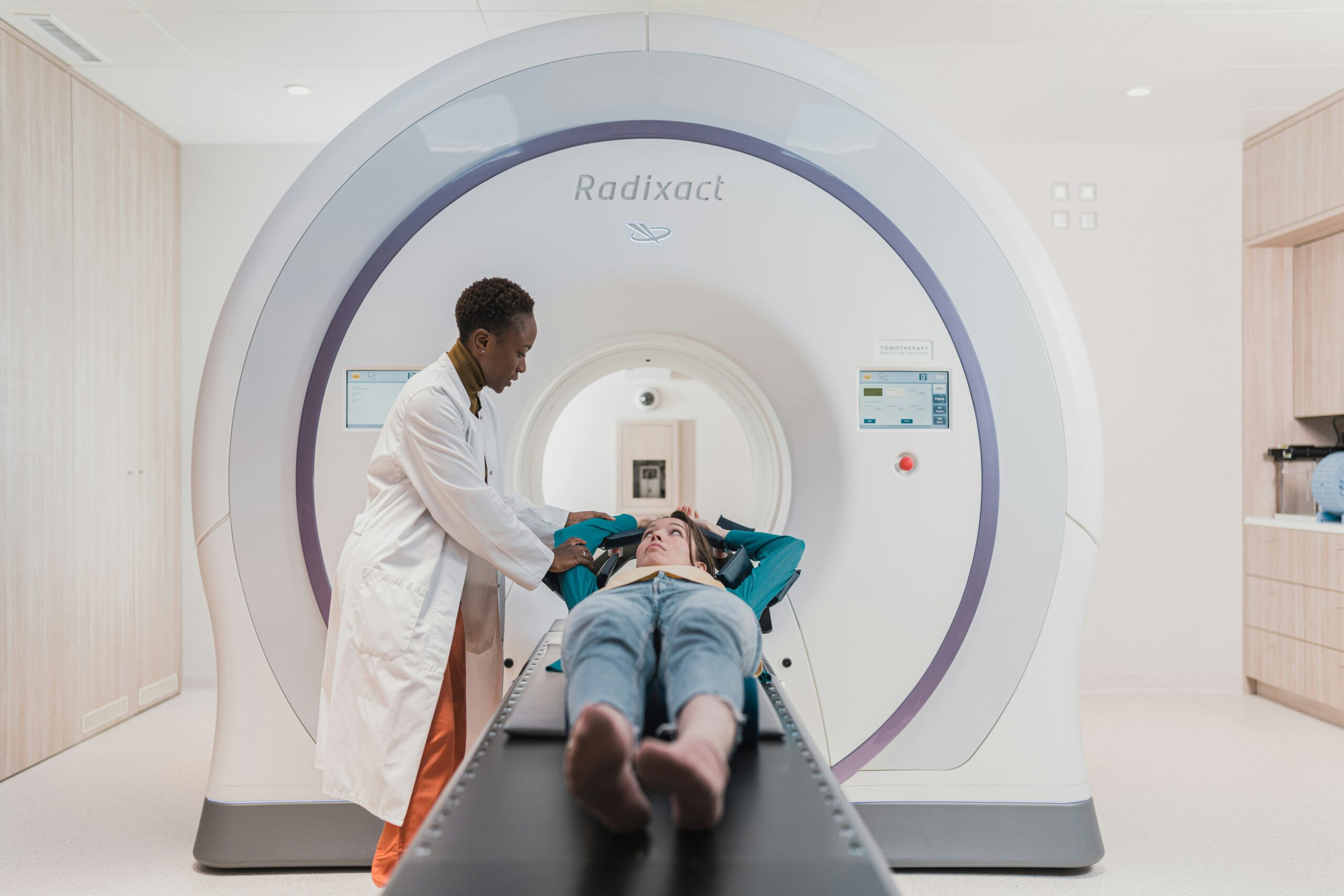
Oncology research is undergoing a profound transformation as scientific innovation converges with advanced technology to redefine how cancer is understood, detected, and treated. In recent years, the focus has shifted from reactive treatment models to proactive, precision-driven strategies that aim to intercept cancer earlier and treat it more effectively.
At the same time, collaboration between researchers, clinicians, and biotech industries has accelerated the pace of discovery. Consequently, breakthroughs that once took decades to reach patients are now moving from laboratory to clinic in significantly shorter timelines, reshaping the entire oncology ecosystem.
Precision Medicine and the Rise of Individualized Cancer Care
Precision medicine has become one of the most influential developments in modern oncology, offering treatments tailored to the genetic and molecular profile of each patient’s tumor. Instead of relying on standardized approaches, clinicians now use genomic sequencing to identify mutations that drive cancer progression and select therapies designed to target those specific abnormalities.
Moreover, this individualized approach has improved both survival rates and quality of life for many patients. By reducing exposure to ineffective treatments, precision oncology minimizes unnecessary toxicity while maximizing therapeutic benefit. Transitioning from broad-spectrum chemotherapy to targeted agents marks a major milestone in cancer care evolution.
In addition, advances in bioinformatics and large-scale data analysis have made it possible to compare tumor profiles across thousands of patients worldwide. As a result, researchers are uncovering new biomarkers that help predict treatment response and disease progression with greater accuracy than ever before.
Immunotherapy and Harnessing the Immune System
Immunotherapy has revolutionized oncology by shifting the treatment paradigm from directly attacking tumors to empowering the body’s immune system to recognize and eliminate cancer cells. This innovative approach has produced remarkable results in cancers that were once considered highly resistant to treatment.
Checkpoint inhibitors, CAR-T cell therapy, and therapeutic cancer vaccines are among the most significant advancements in this field. These therapies work by either removing the “brakes” on immune responses or engineering immune cells to better target malignant tissue, leading in some cases to long-term remission.
However, despite these successes, not all patients respond equally to immunotherapy. Therefore, ongoing research is focused on identifying predictive biomarkers and combination strategies that can improve response rates and expand the benefits of these treatments to a wider population.
Artificial Intelligence and Data-Driven Oncology
Artificial intelligence (AI) is rapidly reshaping oncology by enabling faster, more accurate analysis of complex medical data. From imaging diagnostics to genomic interpretation, AI systems can detect subtle patterns that may be overlooked by traditional methods.
Furthermore, machine learning algorithms are increasingly being used to predict disease progression and optimize treatment planning. This allows healthcare providers to make more informed decisions, ultimately improving patient outcomes and reducing delays in care.
In addition, artificial intelligence is accelerating drug discovery by simulating how different compounds interact with cancer cells. As a result, potential therapies can be identified and tested more efficiently, reducing both development time and costs in the oncology research pipeline.
Breakthroughs in Early Detection and Screening
Early detection remains one of the most critical factors in improving cancer survival rates, and recent advancements are making screening more accurate and less invasive. Liquid biopsies, for example, allow clinicians to detect cancer-related genetic material in blood samples, offering a powerful alternative to traditional tissue biopsies.
Moreover, advanced imaging technologies combined with AI interpretation are enhancing the ability to identify tumors at earlier stages. This significantly increases treatment success rates, as cancers detected early are often more responsive to therapy and less likely to have spread.
In addition, researchers are developing multi-cancer early detection tests that aim to identify several types of cancer from a single blood sample. Although still in development, these tools have the potential to revolutionize preventive oncology by enabling earlier intervention across a wide range of cancers.
Clinical Trials and the Expansion of Global Collaboration
Clinical trials continue to serve as the foundation of oncology innovation, providing the evidence needed to bring new treatments from concept to clinical use. Today, trial designs are becoming more adaptive, allowing researchers to modify protocols based on real-time results and patient responses.
Furthermore, global collaboration is playing an increasingly important role in accelerating clinical research. By sharing data across countries and institutions, scientists can access larger, more diverse patient populations, improving the reliability and applicability of trial outcomes.
Decentralized and virtual clinical trials are also gaining traction, making participation more accessible for patients who may not live near major research centers. Consequently, this approach is helping to reduce barriers to enrollment and ensuring that trial populations better reflect real-world diversity.
The Future of Oncology: Challenges and Opportunities
Despite remarkable progress, oncology research continues to face significant challenges, including drug resistance, high treatment costs, and unequal access to advanced therapies. These issues highlight the complexity of cancer as a disease and the need for continued multidisciplinary innovation.
Nevertheless, the future of oncology remains highly promising. Emerging fields such as nanomedicine, gene editing, and personalized cancer vaccines are opening new pathways for treatment and prevention. As research continues to evolve, the integration of technology, biology, and data science is expected to further accelerate breakthroughs.
Ultimately, the long-term vision of oncology is shifting toward making cancer a manageable, and in many cases curable, condition. With sustained investment and global collaboration, the road ahead holds strong potential for transforming patient care and improving survival outcomes worldwide.