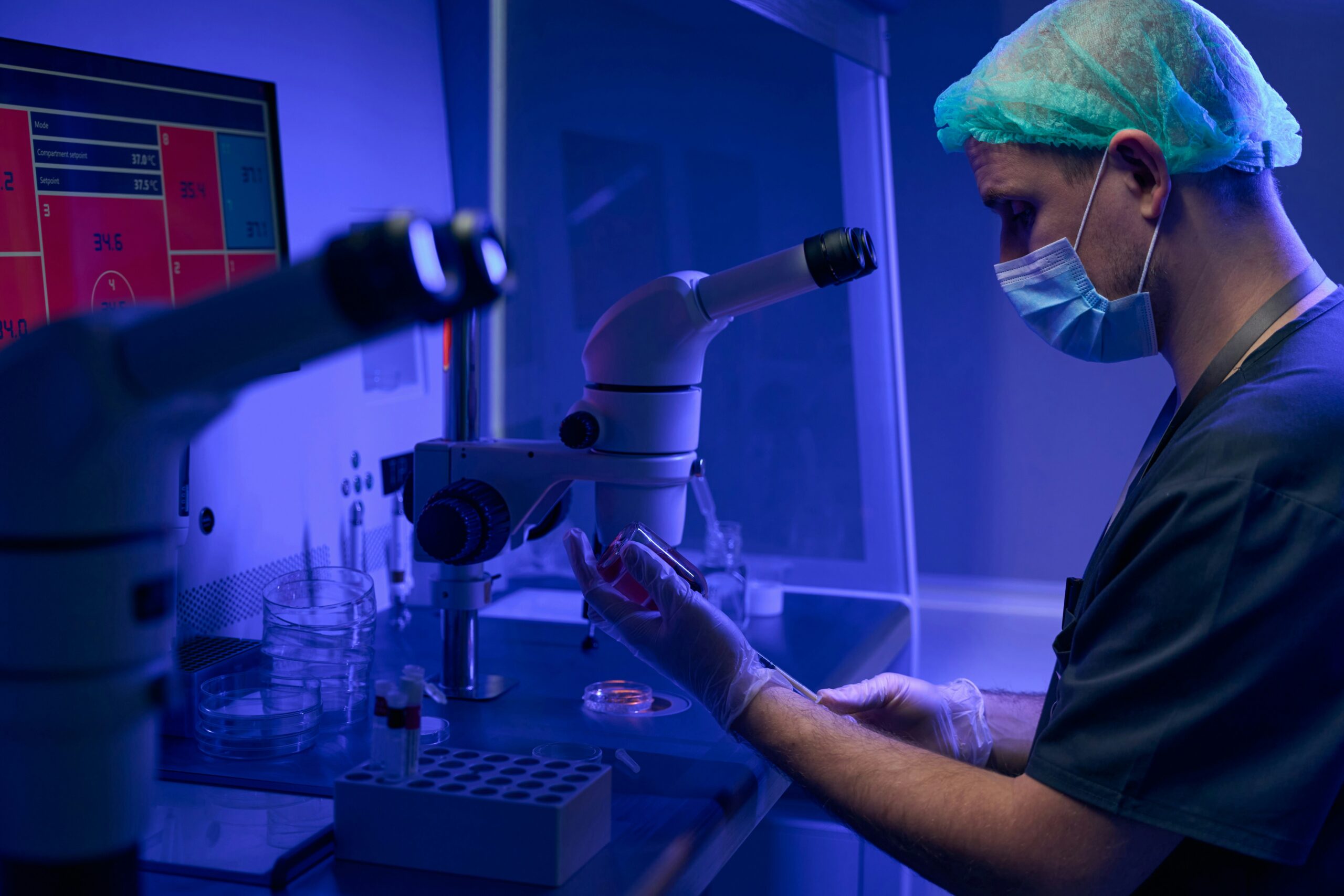
Cancer care continues to change as researchers discover better ways to understand, detect, and treat the disease. For many years, cancer treatment focused on removing tumors, using strong medicines, or applying radiation. Today, scientists are developing more targeted and personalized approaches that help patients receive care tailored to their unique needs.
Pioneering oncology research is opening new doors for people living with cancer. These advances are improving survival rates, reducing treatment side effects, and giving patients more hope. As research continues, doctors and scientists are working toward a future in which cancer becomes easier to manage and, in some cases, to prevent.
New Discoveries Are Changing How Doctors Treat Cancer
Cancer treatment has moved beyond traditional methods. Researchers now study how cancer grows and spreads inside the body. This knowledge helps doctors choose treatments that can attack cancer cells while protecting healthy cells. These improvements allow many patients to experience better results with fewer challenges during recovery.
New medicines and treatment methods are giving doctors more options than ever before. Instead of using the same approach for every patient, care teams can now consider a person’s health, cancer type, and treatment response. This change helps create a more focused plan that matches each patient’s situation.
Personalized Care Is Creating Better Treatment Experiences
Personalized cancer care focuses on understanding what makes each person’s cancer different. Researchers examine key details of a patient’s condition to help doctors select treatments that may be more effective. This approach reduces the need for trial and error and allows patients to receive care that fits their needs.
This progress also helps doctors understand why some treatments work well for certain people but not others. By learning more about individual differences, researchers can create smarter solutions. Personalized care gives patients a stronger chance of receiving effective treatment while avoiding unnecessary procedures.
The Growth of Immunotherapy Offers New Hope
Immunotherapy is one of the most important areas of modern cancer research. This treatment helps the body’s own defense system recognize and fight cancer cells. Researchers continue to improve these methods so more patients can benefit from this natural approach to fighting disease.
Many patients have seen positive results from these new treatments. While immunotherapy does not work for everyone, ongoing research continues to expand its possibilities. Scientists are studying new ways to make these treatments safer, stronger, and available for more types of cancer.
Advanced Technology Is Supporting Faster Cancer Research
Technology plays a major role in the future of cancer care. Modern tools allow researchers to study diseases in greater detail and identify patterns that were previously difficult to detect. These tools help scientists develop new treatments and improve existing ones.
Artificial intelligence and advanced computer systems are also helping researchers review large amounts of information faster. These technologies support doctors and scientists by helping them identify possible treatment options. As technology advances, cancer research can progress at a faster pace.
Early Detection Is Helping Save More Lives
Finding cancer early can make a major difference in treatment success. Researchers are developing better ways to identify warning signs before the disease becomes harder to treat. These improvements can help doctors begin care sooner and improve patient outcomes.
New testing methods are becoming more accurate and easier to use. Scientists continue to explore ways to detect cancer through simple procedures and regular health checks. Early detection gives patients more choices and creates more opportunities for successful treatment.
Research Partnerships Are Driving Future Progress
Cancer research depends on teamwork between scientists, doctors, hospitals, and patients. When experts share knowledge and work together, they can discover new solutions faster. These partnerships help move important ideas from research centers into real medical care.
Patients also play an important role in the future of cancer treatment. Many research studies depend on volunteers who help doctors understand new therapies. Their participation allows scientists to test new ideas and create treatments that may help future generations.
The Future of Cancer Care Looks More Promising
The future of cancer care will continue to focus on safer, smarter, and more effective treatments. Researchers are exploring new ways to prevent cancer, improve recovery, and support long-term health. Each discovery brings the medical community closer to better solutions for patients around the world.
Although challenges remain, progress in oncology research continues to inspire hope. Scientists are learning more about cancer every day and turning that knowledge into better care. With continued investment and collaboration, the future of cancer treatment can offer more opportunities for patients and families.