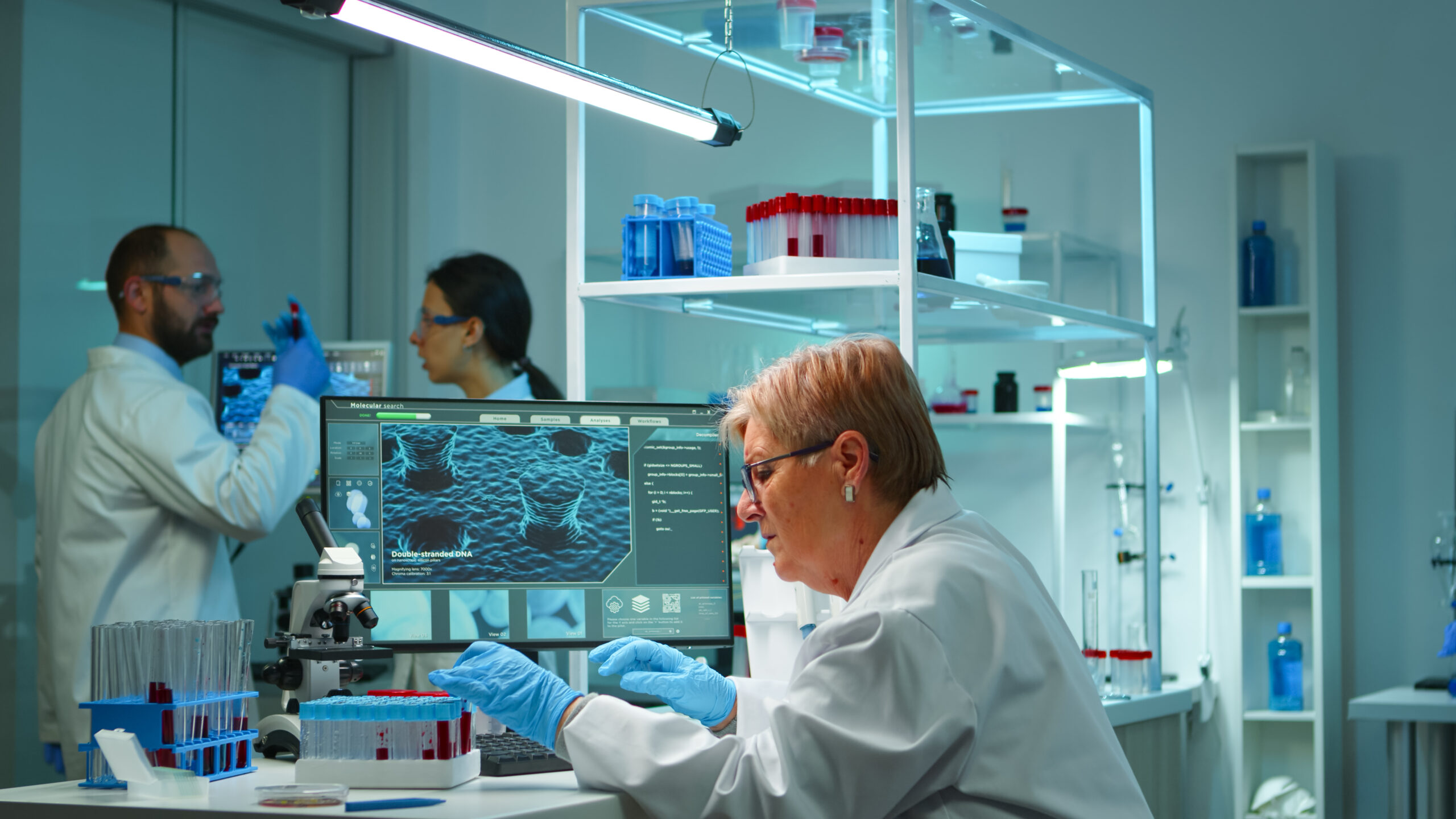
Cancer research has entered a transformative era, marked by unprecedented scientific discoveries and rapidly evolving treatment strategies. Over the past few decades, oncology has shifted from a one-size-fits-all approach to a highly personalized discipline driven by molecular biology, genetics, and advanced technologies. Researchers are not only improving survival rates but also enhancing patients’ quality of life by reducing side effects and tailoring therapies to individual profiles.
The journey toward better cancer care is far from over, but the momentum is undeniable. Breakthroughs in immunotherapy, precision medicine, and early detection are reshaping how clinicians diagnose and treat cancer. At the same time, global collaboration and data sharing are accelerating innovation. Understanding these developments offers insight into where oncology is headed and what challenges still lie ahead.
The Rise of Precision Medicine in Oncology
Precision medicine has revolutionized oncology by focusing on the unique genetic makeup of each patient and their tumor. Instead of relying solely on traditional classifications such as tumor location, clinicians now analyze genetic mutations and molecular markers to guide treatment decisions. This approach enables clinicians to deliver more effective therapies with fewer unnecessary side effects, as they specifically choose treatments that target cancer cells while sparing healthy tissue.
Advances in genomic sequencing have made this level of personalization more accessible. Technologies that once required significant time and expense are now faster and more affordable, allowing broader implementation in clinical settings. As databases of genetic information grow, researchers are uncovering new targets for therapy, paving the way for increasingly refined and individualized treatment plans.
Immunotherapy and the Power of the Immune System
Immunotherapy represents one of the most exciting breakthroughs in modern oncology. By harnessing the body’s own immune system to fight cancer, these treatments have achieved remarkable results in cancers that were once considered difficult to treat. Checkpoint inhibitors, for example, work by removing barriers that prevent immune cells from attacking cancer cells, leading to durable responses in many patients.
Beyond checkpoint inhibitors, researchers are exploring innovative approaches, such as CAR T cell therapy, which involves modifying a patient’s immune cells to better recognize and destroy cancer cells. While these therapies can be highly effective, they also come with challenges, including managing side effects and determining which patients are most likely to benefit. Ongoing research focuses on expanding the reach of immunotherapy and improving its safety and efficacy.
Advancements in Early Detection and Screening
Early detection remains one of the most critical factors in improving cancer outcomes. Detecting cancer at an early stage significantly increases the chances of successful treatment and long-term survival. Recent innovations in screening technologies, including liquid biopsies, are transforming how clinicians identify cancer. These tests analyze blood samples to detect tumor DNA fragments, offering a minimally invasive way to identify cancer even before symptoms appear.
In addition to technological advancements, there is a growing emphasis on risk-based screening strategies. By considering factors such as genetics, lifestyle, and environmental exposures, healthcare providers can tailor screening programs to individuals who are most at risk. This targeted approach not only improves detection rates but also reduces unnecessary procedures for those at lower risk.
Targeted Therapies and Molecular Innovations
Targeted therapies have become a cornerstone of modern cancer treatment. These drugs are designed to interfere with specific molecules that drive cancer growth and progression. Unlike traditional chemotherapy, which affects both cancerous and healthy cells, targeted therapies aim to minimize collateral damage, resulting in fewer side effects and improved patient outcomes.
The development of these therapies is closely tied to advances in molecular biology. Researchers are continuously identifying new pathways and mechanisms that contribute to cancer, leading to the creation of drugs that can precisely disrupt these processes. Researchers are also exploring combination therapies that use multiple targeted agents to overcome resistance and enhance effectiveness.
The Role of Artificial Intelligence in Cancer Research
Artificial intelligence is playing an increasingly important role in oncology, offering powerful tools for data analysis and decision-making. Machine learning algorithms can analyze vast amounts of medical data, including imaging, genetic information, and clinical records, to identify patterns that may not be visible to human researchers. This capability is helping to improve diagnostic accuracy and predict treatment responses.
In clinical practice, AI is being used to assist in tasks such as tumor detection in medical images and treatment planning. It also holds promise for accelerating drug discovery by identifying potential therapeutic targets and predicting how different compounds will interact with cancer cells. As these technologies continue to evolve, researchers and clinicians will integrate them as essential components of cancer research and care.
Challenges in Access and Equity in Cancer Care
Despite significant progress, disparities in access to cancer care remain a major challenge. Socioeconomic factors, geographic location, and healthcare infrastructure all influence a patient’s ability to receive timely and effective treatment. In many parts of the world, access to advanced therapies and diagnostic tools is limited, leading to unequal outcomes.
Efforts to address these disparities are gaining momentum, with initiatives to improve healthcare infrastructure, expand access to clinical trials, and raise awareness of early detection. Governments, healthcare organizations, and research institutions must collaborate to ensure that populations share the benefits of scientific advancements more equitably.
The Future Landscape of Oncology Research
Looking ahead, the future of oncology research is both promising and complex. Emerging fields such as epigenetics, microbiome research, and nanotechnology are opening new avenues for understanding and treating cancer. These areas have the potential to uncover previously hidden mechanisms of disease and lead to innovative therapies that further improve patient outcomes.
At the same time, integrating multidisciplinary approaches will be key to advancing cancer care. Collaboration among scientists, clinicians, engineers, and data experts is driving the development of comprehensive solutions that address the multifaceted nature of cancer. As research continues to evolve, the ultimate goal remains clear: to transform cancer from a life-threatening disease into a manageable condition and, eventually, to achieve cures for all types of cancer.